







(425) 438-2533

Surgical Tray Tracking That Helps the Right Tray Reach the Right OR at the Right Time

ID Integration helps healthcare organizations improve visibility into surgical tray identity, location, movement, availability, and utilization across sterile processing and perioperative workflows. Our technology-neutral approach connects durable identification, data capture, software, infrastructure, and systems integration around the needs of your tray workflow. Better visibility can help teams locate needed trays, identify sterile-wrapped trays without breaking the wrap, confirm important transitions, reduce avoidable reprocessing, and make better inventory decisions.
Stronger Tray Visibility

Help the Right Tray Reach the Right Place at the Right Time

Locate Needed Trays Faster

Narrow the search for trays needed for upcoming procedures

Identify Wrapped Trays

Verify tray identity without breaking sterile wrap unnecessarily.

Support Case Readiness

Improve visibility into whether required trays have reached staging or the operating room.

Reduce Avoidable Reprocessing

Use better identity and location information to help prevent unnecessary tray openings and repeat processing.

Strengthen Inventory Decisions

Use more reliable information to support tray utilization, inventory, and planning.

A Familiar Perioperative Challenge

A Tray May Be Ready.
Can the Team Find It When the Case Needs It?

Once surgical trays are assembled, sterilized, and wrapped, they can be difficult to distinguish without checking labels, scanning individual sets, or opening packaging unnecessarily.  A tray may be in sterile storage, assigned to another case, waiting in staging, already delivered to an operating room, or returning for reprocessing. When that information is incomplete, staff may call other departments, search multiple storage locations, prepare replacement sets, or reprocess trays that were already available.

These visibility gaps can contribute to OR disruption, wasted staff time, avoidable reprocessing, lost-tray exposure, and unnecessary investment in additional sets.

Surgical tray tracking creates a more reliable view of tray identity, movement, and availability.   Depending on the workflow, passive RFID can help teams identify properly tagged trays through validated sterile packaging, support directed searches, and confirm critical transitions from sterile processing to staging and the operating room.

The goal is to help the right tray reach the right operating room at the right time without breaking sterile wrap unnecessarily.

Common Visibility Gaps

When Tray Status Is Difficult to See,
Case Preparation Becomes Harder to Coordinate

Wrapped Trays Look Similar

Once sets are wrapped, teams may have limited ways to distinguish them without checking a label or opening the package.

Location Is Unclear

Staff may not know whether a tray is in sterile processing, storage, staging, transport, or an operating room.

Case Staging Is Difficult to Confirm

Incomplete information can make it harder to determine whether required trays have reached the appropriate staging area.

Handoffs Are Not Consistently Documented

Movement between sterile processing, storage, transport, and perioperative areas may depend on manual steps or disconnected records.

Trays May Be Reprocessed Unnecessarily

When a needed tray cannot be located or confidently identified, another set may be opened or prepared.

Utilization Information Is Limited

Organizations may lack reliable information about tray movement, turnaround, availability, and actual demand.
What Better Tray Visibility Makes Possible

Create a More Reliable View of Surgical Tray
Movement and Availability

Locate Needed Trays Faster

Use the last recorded event or a targeted search to narrow the area in which a tray may be found.

Identify Trays Without Breaking Sterile Wrap

Passive RFID can support tray identification through validated sterile packaging without direct line of sight or unnecessarily disturbing the wrap.

Improve Case-to-Tray Coordination

Connect tray identity with case assignments, staging requirements, or other configured workflow information.

Document Critical Transitions

Create a more consistent record as trays move among processing, storage, staging, operating rooms, and return areas.

Reduce Avoidable Reprocessing

Better identification and location information can help prevent trays from being opened, replaced, or reprocessed simply because their identity or status is unclear.

Support Inventory and Utilization Decisions

Use tray movement and availability data to better understand demand, turnaround, inventory requirements, and opportunities for improvement.
Where Does Surgical Tray Visibility Break Down Today?
Discuss Your Tray Workflow
Let's discuss how better tray visibility could support case readiness and reduce unnecessary reprocessing.
(425) 438-2533
What Can Be Tracked

Visibility Across Hospital-Owned, Loaner, and Procedure-Specific Trays

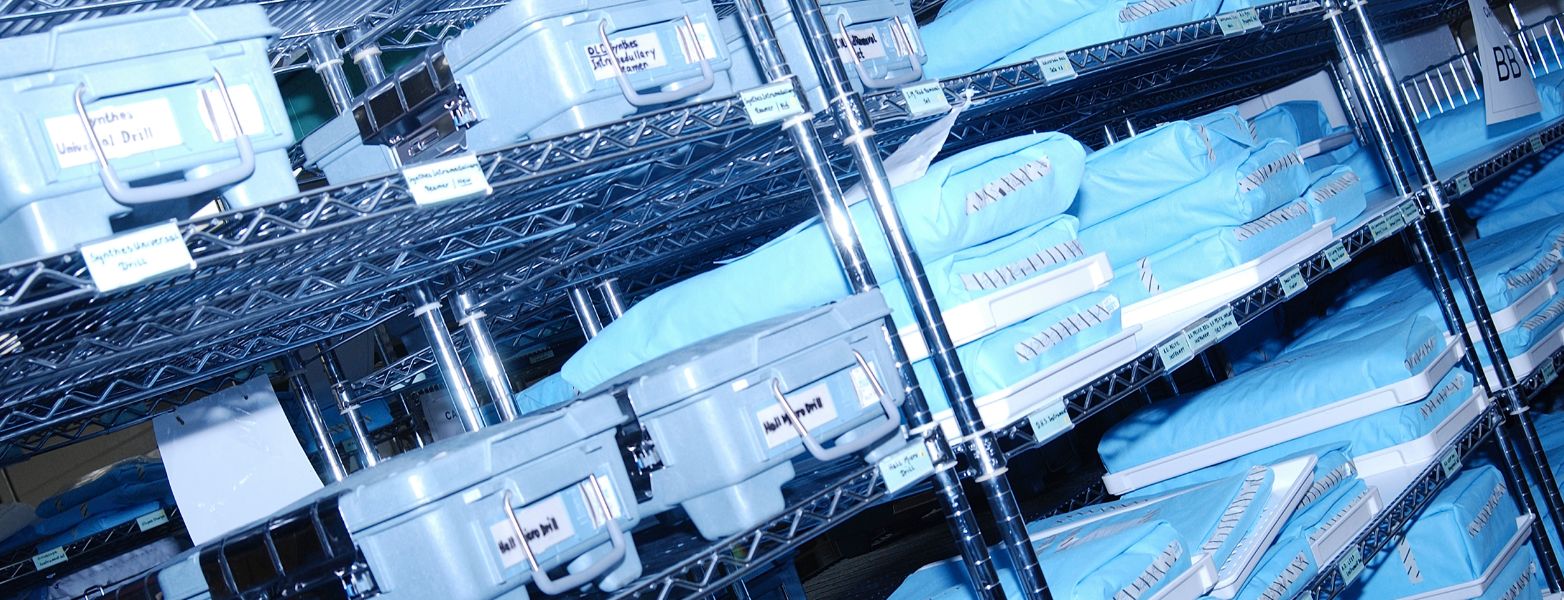
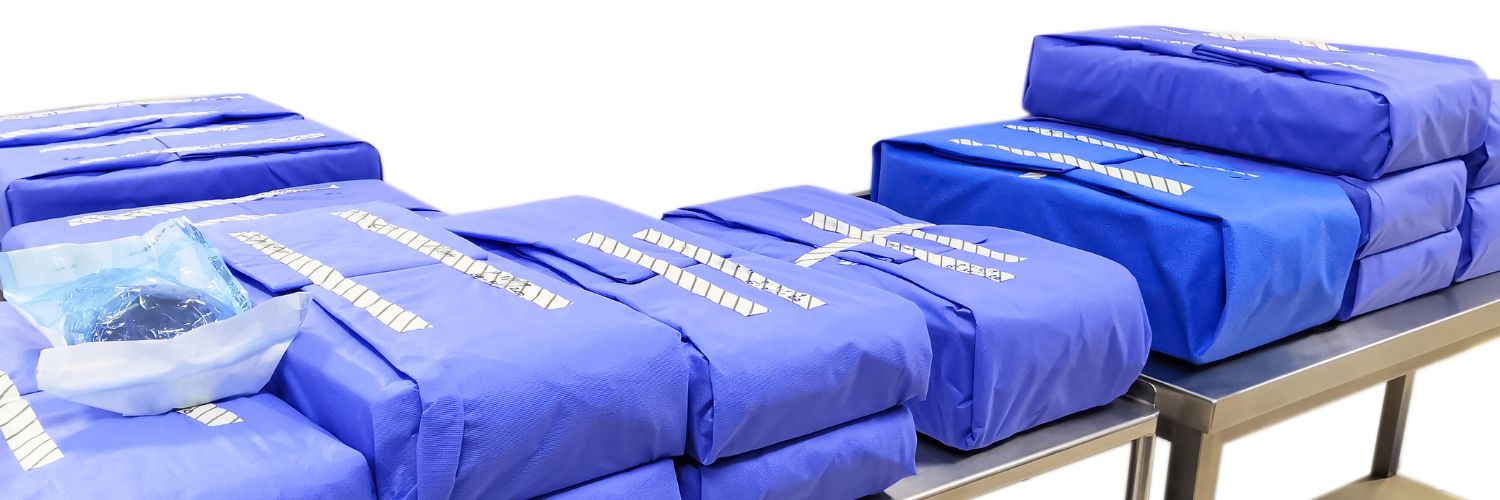
Sterile-wrapped surgical trays arranged for surgeries and procedures

Tray Types

  • General surgical trays
  • Procedure-specific instrument sets
  • Specialty and high-value trays
  • Hospital-owned tray inventory
  • Loaner and vendor-supplied trays
  • Orthopedic and implant-related sets
  • Emergency and priority sets
  • Case carts or grouped tray movements

Workflow Environments

  • Assembly and preparation
  • Sterile processing
  • Sterile storage
  • Case staging
  • Transport and handoff points
  • Operating-room arrival
  • Return and reprocessing
  • Loaner receipt and return
The appropriate tag, placement, reader configuration, and capture method depend on tray materials, packaging, sterilization processes, physical surroundings, read requirements, and the information needed at each point.  Supply chain teams may also need visibility into loaner receipt and return.
From Identification to Action

Create Visibility Across the Surgical Tray Journey

1

Identify the Tray

Assign a reliable identifier to the tray or set and associate it with the appropriate records.
2

Connect Workflow Information

Link the tray with relevant set, procedure, ownership, case, or status information according to the workflow.
3

Capture Processing Transitions

Document configured events as the tray moves through preparation and sterile processing.
4

Confirm Storage or Staging

Create visibility into whether a tray has reached sterile storage, case staging, or another designated area.
5

Verify Operating Room Arrival

Document that the expected tray has reached the appropriate perioperative destination.
6

Record Return & Reprocessing

Capture the tray’s return to sterile processing or another configured destination following use.
Technology Selected Around the Workflow

The Right Capture Method Depends on
What You Need to Know

Tray visibility may be supported through a combination of:
  • Durable tray-level identifiers

  • Passive RFID tags

  • Barcode or 2D data capture

  • Fixed RFID readers at selected transition points

  • Handheld RFID readers for directed searches and inventory

  • Mobile computers and scanning devices

Solutions are designed with the hospital technology environment in mind, including integration requirements, data governance, security review, infrastructure, user adoption, and long-term support.  Passive RFID can identify multiple tagged trays without direct line of sight, including appropriately tagged trays inside validated sterile packaging. It does not provide continuous location tracking everywhere unless the required reader infrastructure and workflow have been designed to support that level of visibility.
Explore Tracking Technologies
An Important Distinction

Tray-Level Visibility Is Not the Same as Instrument-Level Verification

A surgical tray tracking system follows the identifier associated with the tray or set. It can help document tray movement, confirm configured transitions, support directed searches, and provide better information about availability and utilization.

Tray-level tracking does not independently verify that every instrument is present, properly assembled, sterile, or ready for use. Accurate assembly, inspection, sterilization, packaging, release, and clinical verification procedures remain essential.

The strongest approach combines reliable tray identification and movement capture with established sterile-processing controls, perioperative procedures, exception management, and appropriate systems integration.

Visibility for Different Responsibilities

One Surgical Tray Environment
Supports Many Different Decisions

Perioperative Leadership

Improve visibility into tray readiness, staging, operating-room arrival, workflow exceptions, and the conditions that contribute to case delays.
Solutions for Perioperative Leadership

Supply Chain Leadership

Better understand tray inventory, availability, utilization, loaner movement, and opportunities to reduce avoidable cost and redundancy.
Solutions for Supply Chain Leadership

Healthcare IT

Evaluate integration requirements, data governance, infrastructure, security, support, and the role of tray data within the broader hospital environment.
Solutions for Healthcare IT

Medical Device Manufacturers

Support visibility across loaner and procedure-specific tray movements, customer locations, handoffs, receipt, use, and return workflows.
Solutions for Medical Device Manufacturers
Define Success Around the Workflow

Measure the Operational Results that Matter

  • Handoff and transition completeness

  • Loaner receipt and return performance

  • Tray availability by service line or procedure

  • Utilization of owned and loaner tray inventory

  • Time required to investigate exceptions

  • Time spent locating required trays

  • Percentage of expected trays reaching staging on time

  • Missing or delayed tray events

  • Avoidable tray openings or reprocessing

  • Tray turnaround time

The appropriate measures should be defined around the organization’s starting conditions, workflow priorities, available data, and desired operational outcomes.

Want to improve surgical tray availability and utilization?
Our team can help evaluate your tray workflow and identify opportunities for better visibility.
(425) 438-2533
Plan a Tray Tracking Assessment
Experience and Integration

Built to Support Visibility Across Complex Healthcare Environments

ID Integration combines more than 25 years of systems integration experience with healthcare asset visibility, automated data capture, RFID, infrastructure, software, and enterprise integration expertise.  Solutions are planned around the operational workflow and the hospital’s existing technology, governance, security, and support requirements.
160,000+ Assets
Tagged across a major government healthcare network.
Zebra Technologies partner logo - Advanced Location and Tracking Specialist
VA Network-Approved Asset Management Solution
Zebra Technologies partner logo - Public Sector Specialist
Support from workflow evaluation through deployment, training, and sustainment.
A Workflow-First Approach

Build a Practical Foundation for Tray Visibility

Understand the Challenge

Define the tray-related problem, stakeholders, operational impact, and desired outcome.

Map the Tray Journey

Document the people, locations, transitions, systems, and decisions involved.

Evaluate the Environment

Assess trays, packaging, sterilization requirements, physical surroundings, infrastructure, and integration needs.

Design the Solution

Select and connect the appropriate identification, capture, software, infrastructure, and systems components.

Begin With a Focused Workflow

Start with a defined tray category, service line, transition, or facility where results can be evaluated.

Refine and Scale

Measure performance, address workflow findings, support adoption, and create a foundation for broader deployment.
Explore the Topic in Greater Detail

From Sterilization to Surgery

Learn how passive RFID can support surgical tray identification and visibility across sterile processing, storage, staging, and operating-room workflows.
Explore Related Visibility Workflows

Connect Surgical Tray Visibility With Broader Hospital Operations

Hospital Asset Tracking

Improve visibility into mobile medical equipment, location, availability, utilization, and movement.

Specimen Chain of Custody

Create a more reliable record of specimen collection, movement, handoffs, receipt, and processing.

Data Capture & Workflow Automation

Connect identification and operational data with the systems and people that use it.

Consulting Services

Define the workflow, requirements, technology, integration, and implementation plan before deployment.

Greater Tray Visibility Begins With Understanding Where the Gaps Occur

Every surgical environment has different tray inventories, processing procedures, case requirements, infrastructure, systems, and operational priorities. The right approach begins with defining what needs to become more visible and why.

Prefer to discuss your surgical tray tracking needs by phone? (425) 438-2533
Discuss Your Surgical Tray WorkflowExplore Healthcare Visibility Solutions
For more than 25 years, hospitals, healthcare organizations, public agencies, and government organizations have trusted ID Integration to design and integrate asset tracking and automation solutions that align with their workflows, existing systems, and security requirements.
(425) 438-2533
sales@id-integration.com
13024 Beverly Park Road, Suite 104 Mukilteo, Washington 98275
ID-Integration.com
Copyright © 2026 ID Integration, Inc. | BarCodeOS® is a trademark of ID Integration, Inc. All rights reserved.
Design & content by Moore Than SEO
linkedin facebook pinterest youtube rss twitter instagram facebook-blank rss-blank linkedin-blank pinterest youtube twitter instagram